Many companies file their annual sustainability report, backed up by a once-a-year data marathon to get the report ready. GLYNT.AI has been seeing a steady stream of interest from real estate companies for more frequent reporting, and for more granular data – at the building and meter-level data.
This week we had a chance to sit down with a sustainability data manager for a large U.S. property holder. The conversation showed why these changes are happening. Take a look at what we learned from the conversation.
“We face a gap. Utility payment providers are great on top line costs, but they don’t provide accurate consumption data. We’re stuck with bad data when what we really want is to join cost and consumption at a more granular level for business use. With new AI technology, isn’t this more feasible than ever before?”


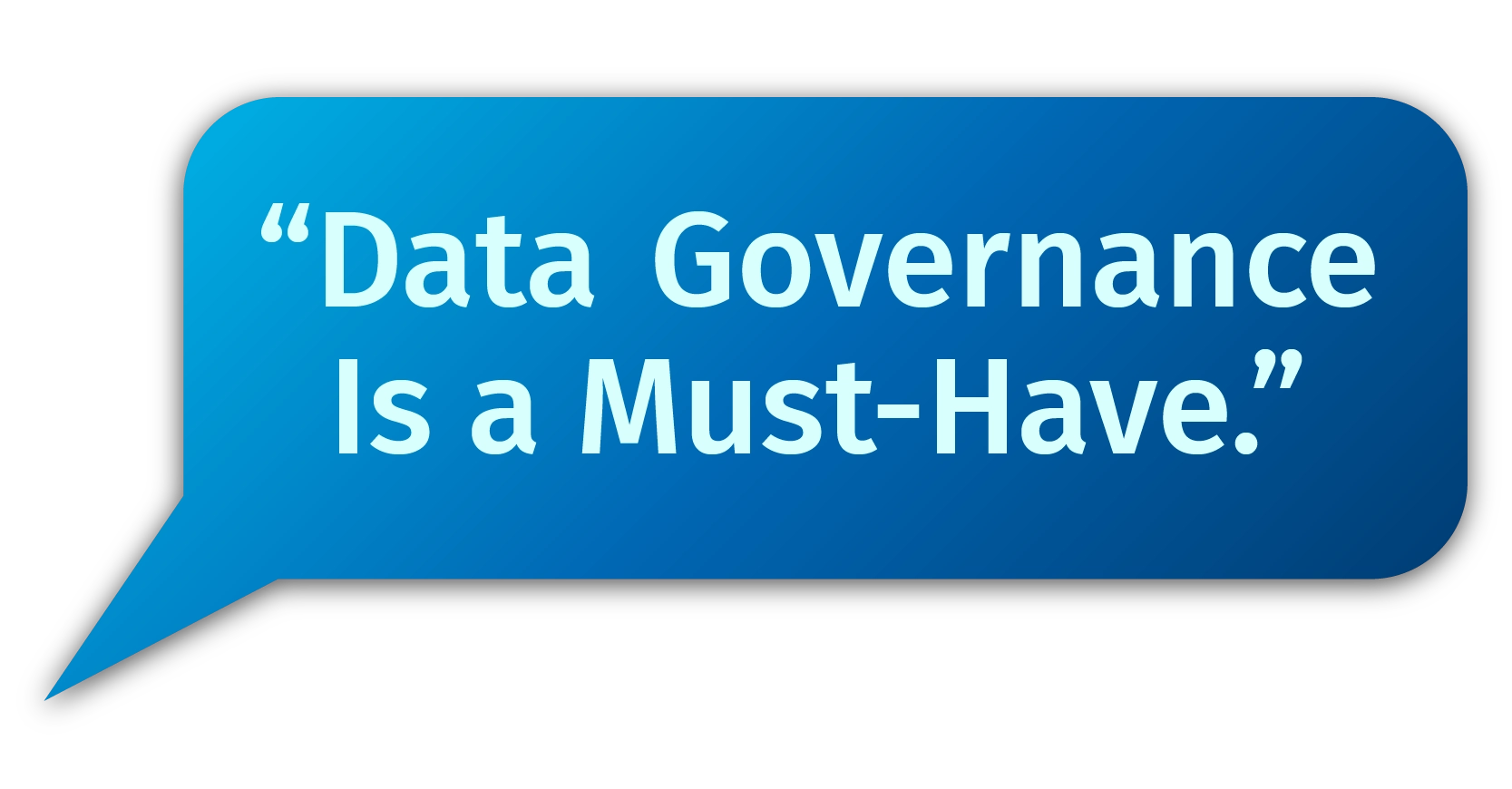
“My team serves business users and they are not getting the data they need when they need it. For example, if we want to invest in energy efficiency measures at a site, our site managers have to put in a budget request—backed by best available data—6 months before the spending can commence. If we are scrambling to get data months after a reporting period has closed, we’ve missed our opportunity. We need data every month.
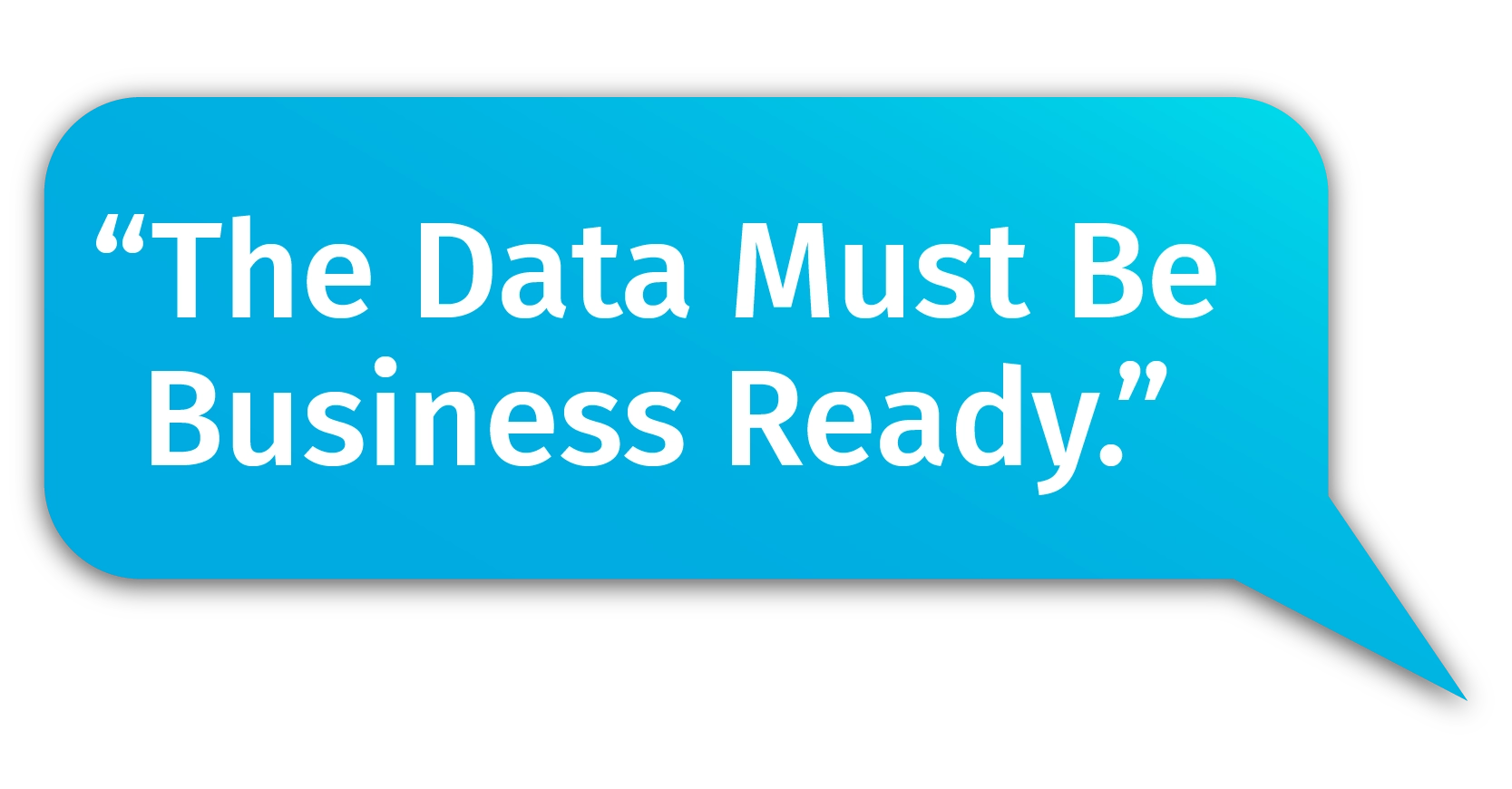
The data must be granular so it tells the specific energy-saving story, it must be fresh so that we fit into established schedules, and it must be finance-grade so that finance teams can see the energy-money tradeoff in an apples-to-apples way.”
Sometimes you just want to reach out and give your user a digital hug. This is one of those cases. Such a clear statement on how the right sustainability data fits into the needs of the business, in a very normal manner. No more data silos!
The Bottom Line
Here’s the final shopping list of requirements from the data manager:
- Accurate Data
- Audit-Ready Data
- Frequent & Granular Data
- Business-Ready Data
- Data Management, Not Just Data
Is there an industry that does not have these requirements? We heard it first in real estate, which has thin margins and rising energy and water expense. And real estate is a long-lived asset, creating a long-lived exposure to the rising costs of climate change. So while it is not surprising that a data manager from the real estate industry is leading the way, we’ll argue that every sector faces these same challenges.