GLOSSARY
Integrate Sustainability Data with Financial Data
Detailed sustainability data can be linked to financial transactions, enabling integrated reporting and decision making.
WHY IT MATTERS
Confident decision making with integrated sustainability and financial data
Integrated data puts energy, water, waste and emissions data into the same framework as financial data, making easy for all stakeholders to use.
Comply with upcoming standards
IFRS S1 and S2 require financial integration, rollouts by country start in 2027
Use data with confidence
Transaction by transaction, data is reconciled across key business systems.
Make business tradeoffs
Quantify the balance points between environmental impact and cost.
Plan for the future
Forecast revenues and emissions within the same framework and context.
KEY TIMELINE
Upcoming IFRS reporting standards require integration to financial data
Use GLYNT.AI to “prepare once, verify once and report everywhere,” as each country has a different format.
| Countries | First Fiscal Year Required |
|---|---|
| Nigeria, Australia | FY 2024 |
| Singapore, Hong Kong, Malaysia, Turkey | FY 2025 |
| Brazil, South Korea, Chile, Mexico, Qatar, Jordan, China | FY 2026 |
| UK, Japan, Philippines | FY 2027 |
| EU (through CSRD & ESRS) | FY 2028 |
| Canada, US | Voluntary |
ONE VIEW
IFRS sustainability standards call for one connected view of each company
The IFRS Sustainability Disclosure Standards (IFRS S1 and S2) require sustainability information to connect to financial statements. GLYNT.AI delivers that data as a single source of truth, built by linking sustainability activity data to financial transactions.
Entities & Boundaries
Use the same report formats for reporting alignment.
Integrated Report Package
Sustainability data presented alongside financial data.
Financial Materiality of Sustainability
Tests for the financial impact of changes in environmental factors are required.
Financial Statement Explanations
Notes on how sustainability impacts financials are required.
WHERE IT FITS
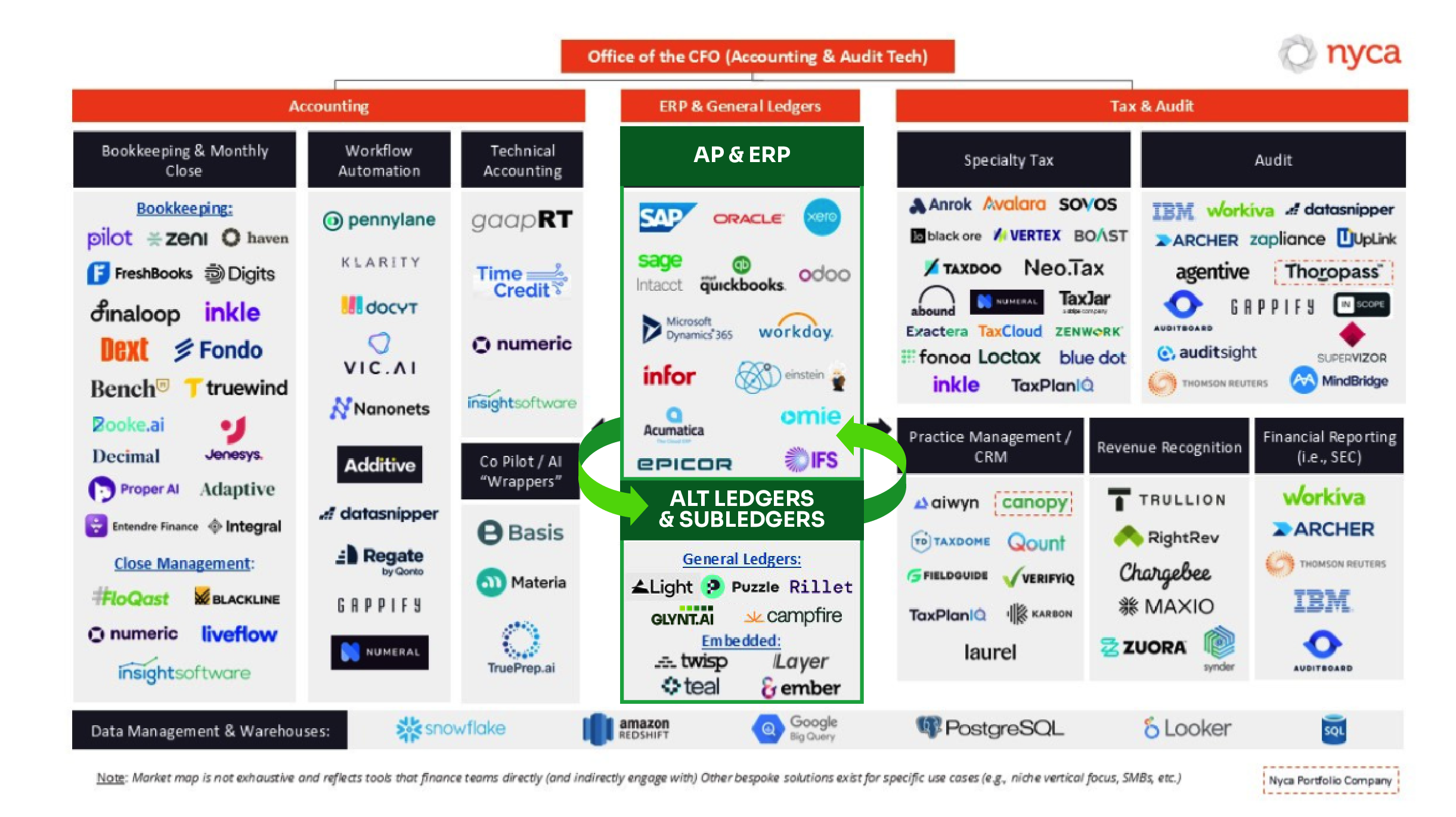
Connect sustainability and finance with data from GLYNT.AI
Integrated reporting starts with the Sustainability Data Ledger from GLYNT.AI.
HOW IT WORKS
How does sustainability data integrated with financial data work?
Each sustainability event is matched to the corresponding financial transaction, connecting money and environmental impact.
| Raw input file | Sustainability ledger | Finance ledger | Notes |
|---|---|---|---|
| Electricity bill | #1Electricity usage in May 2025 at Site 101 | #1Electricity invoice payment in June 2025, for Site 101 | Exact match, the ledgers report the same event in different months |
| Water bill | #2Water usage, March 2025 at Site 4022 | #2Water invoice payment in June 2025, for Site 4022 | Exact match, the ledgers report the same event in different months |
| Electricity & natural gas bill | #3Electricity usage, May 2025 at Site 4022#4Natural gas usage, May 2025 at Site 4022 | #3Utility invoice payment in June 2025 for Site 4022#4Utility invoice payment in June 2025 for Site 4022 | One bill, allocated to two sustainability events |
| Waste invoice | #5Trash generated, May 2025 at Site 602#6Waste to be recycled, May 2025 at Site 602 | #5One invoice for two waste pickups. Different waste types | Each waste type pickup is a sustainability event |
RELATED QUESTIONS
Common questions about integrating sustainability data and financial data
Learn more about this best-in-class method for reliable, decision-ready data.
Why do companies integrate sustainability data with financial data?
Companies integrate sustainability data with financial data increase data confidence — as every sustainability event is linked to a financial transaction — and to incorporate sustainability into corporate financial and strategic planning using current processes and tools. Integrating sustainability and financial data breaks down corporate silos.
Is the integration required for reporting?
Not yet. The IFRS is rolling out this requirement through 2031 and the requirements apply to an increasing number of companies each year. Typically it takes two cycles to feel fully comfortable with the detailed methodology for integration, so many companies are starting soon.
Is the integration with financial data sustainability the same thing as GLYNT.AI’s finance-grade sustainability data?
No. GLYNT.AI’s prepares sustainability data that is ready for this integration, but it is your choice as to whether you use it. The phrase ‘finance-grade’ sustainability data refers to the fact that GLYNT.AI always prepares your data with the same methods and rigor as financial data preparation.
Do we need a finance or accounting background to use it?
No. GLYNT.AI’s automated sustainability data system does the work, including the financial transaction reconciliation. Your team sees the verified, ready-to-use data, and can review the underlying rules and checks.
Is integrated financial and sustainability data the same thing as GLYNT.AI’s sustainability data layer?
No. The sustainability data layer refers to the place GLYNT.AI’’s data service holds your enterprise data flows. Integration with financial data is about the nature of those data flows.
Does integrated financial and sustainability data make our data audit-ready?
GLYNT.AI always provides audit-ready sustainability data; the integration to your financial data is an optional feature.